

 русский
 Français
 Latine
 日本語
日本語 한국어
한국어 Tiếng Việt
 ไทย
ไทย বাংলা
বাংলা عربى
عربى dansk
dansk Nederlands
 Pilipino
 Suomalainen
 Deutsch
 Magyar
 Indonesia
 Gaeilge
 Bahasa Melayu
 فارسی
فارسی norsk
norsk Polskie
 Português
 Română
 Slovák
 svenska
 Türk
Türk Hrvatski
 čeština
 italiano
Laatu Hiustenkuivaaja normaaleissa kotioloissa käytettynä kestää tyypillisesti 3-7 vuotta säännöllisesti 10-20 minuuttia päivässä. Premium-mallit, joissa on harjattomat digitaaliset moottorit ja vahvistetut sisäiset komponentit, voivat laajentaa tätä valikoimaa 7-10 vuotta tai kauemmin , kun taas budjettimallit, joissa on yksinkertaisemmat AC-moottorit ja huonommat sisäiset komponentit, epäonnistuvat usein 1–3 vuodessa, etenkin päivittäisessä käytössä. Useita kertoja päivässä kaupallisissa olosuhteissa käytettävillä ammattimaisilla salonkikuivareilla on yleensä lyhyempi kalenterin käyttöikä – usein 1–3 vuotta – korkeammasta rakennuslaadusta huolimatta, koska käyttötunteja on huomattavasti enemmän.
Elinikä määräytyy ensisijaisesti neljän tekijän perusteella: moottorin tyyppi ja laatu, käyttötiheys ja kesto, huoltokäytännöt - erityisesti suodattimen ja tuuletusaukon puhdistus - ja käsittelyn hoito , mukaan lukien kuinka virtajohtoa käsitellään ja onko laite pudonnut tai alttiina kosteudelle. Ymmärtäminen, kuinka kukin näistä tekijöistä vaikuttaa hiustenkuivaajan sisäisiin osiin, auttaa selittämään, miksi kahdella näennäisesti samankaltaisella kuivaimella voi olla dramaattisesti erilainen todellinen käyttöikä.
Mikä määrittää kuinka kauan hiustenkuivaaja kestää
Hiustenkuivain on suhteellisen yksinkertainen sähkömekaaninen laite, mutta sen käyttöikää säätelee useiden komponenttien vuorovaikutus, joilla jokaisella on omat vikatilat ja kulumisominaisuudet. Näiden osien ymmärtäminen selventää, miksi jotkut kuivaimet epäonnistuvat ennenaikaisesti, kun taas toiset pysyvät toiminnassa useita vuosia.
Moottorityyppi on suurin yksittäinen määräävä tekijä
Hiustenkuivaajan sisällä olevan moottorin tyypillä on suurin yksittäinen vaikutus sen oletettuun käyttöikään. Tavallisissa vaihtovirtamoottoreissa, joita löytyy useimmista edullisista ja keskihintaisista kuivaimista, käytetään hiiliharjoja, jotka koskettavat fyysisesti pyörivää kommutaattoria sähkövirran siirtämiseksi – nämä harjat kuluvat kitkan vuoksi jatkuvassa käytössä ja ovat yleisin moottorivian kohta. Harjattomat DC (BLDC) digitaaliset moottorit, joita käytetään yhä enemmän premium-hiustenkuivaajissa, eliminoivat fyysisen harjakosketuksen kokonaan, poistaen kulumismekanismin ja pidentäen merkittävästi moottorin käyttöikää. Pienlaitteiden alan moottorivalmistajien julkaisemien tietojen mukaan harjattomilla tasavirtamoottoreilla tyypillisesti saavutetaan 20 000 - 50 000 käyttötuntia , verrattuna 1000-3000 tuntia viitataan yleisesti harjatuille AC-moottoreille, joilla on samanlaiset tehoalueet, joita käytetään kuluttajien hiustenkuivaajaissa.
Lämmityselementin huononeminen
Lämmityselementti - tyypillisesti nikkeli-kromi (nikromi) lankakela tai kalliimmissa malleissa keraaminen tai PTC (positiivinen lämpötilakerroin) keraaminen elementti - hajoaa vähitellen toistuvien lämpöjaksojen seurauksena. Joka kerta kun kuivausrumpu lämpenee ja jäähtyy, lämmityselementti laajenee ja supistuu, ja tuhansien jaksojen aikana tämä lämpöväsymys voi aiheuttaa elementin heikkenemisen, kuumia kohtia tai lopulta rikkoutumisen. Keraamiset ja PTC-lämmityselementit osoittavat yleensä vakaampaa vastusta ja tasaisempaa lämmön jakautumista käyttöikänsä aikana kuin paljaat nikromipatterit, mikä edistää sekä tasaisemman kuivaustehoa että pidemmän käyttöiän, ennen kuin lämmitysteho heikkenee tai epätasaisesti.
Sisäinen johdotus ja eristys
Sisäinen johdotuksen eristys altistuu lämpökierrolle koko kuivaimen käyttöiän ajan, ja eristemateriaalit menettävät vähitellen joustavuuttaan ja voivat haurastua vuosien lämpöaltistuksen aikana. Tämä on hitaampi hajoamisprosessi kuin moottoriharjojen kuluminen useimmissa hyvin suunnitelluissa kuivaimissa, mutta siitä tulee rajoittava tekijä muutoin hyvin huolletuissa ja vähäisessä käytössä monien vuosien ajan, mikä voi lopulta johtaa ajoittaiseen tehohäviöön, epätavallisiin hajuihin käytön aikana tai pahimmassa tapauksessa turvallisuusriskinä, jonka vuoksi laite on poistettava käytöstä.
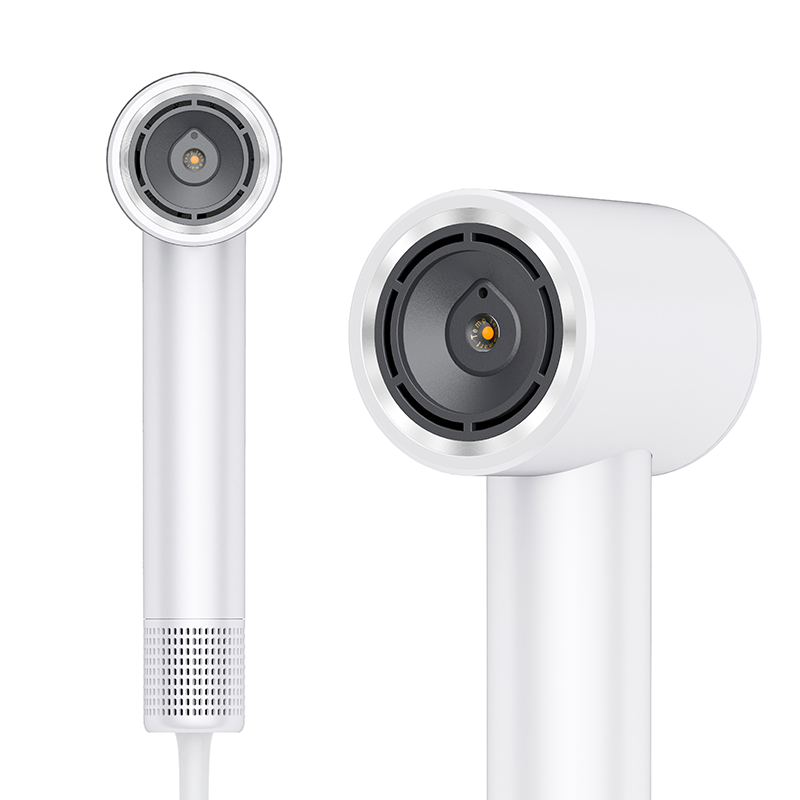
Tuulettimen siiven ja laakerien kuluminen
Kuivurin läpi ilmaa imevä puhallinyksikkö toimii jatkuvasti, kun kone käynnistetään, ja sen laakerit kuluvat suhteessa käyttötunteihin. Useimmissa hiustenkuivaajaissa tuulettimen laakerit ovat vähemmän yleinen vikakohta kuin moottorissa tai lämmityselementissä, mutta pölyn ja karvojen kerääntyminen tuulettimen ja moottorin akselin ympärille voi aiheuttaa kitkaa ja kiihdyttää laakereiden kulumista, jos yksikköä ei puhdisteta säännöllisesti, mikä on yksi ehkäistävissä olevista syistä laitteen ennenaikaiseen mekaaniseen kulumiseen.
Hiustenkuivaajan käyttöikä moottorityypin ja laatutason mukaan
Hiustenkuivaajassa käytetty rakennuslaatu ja moottoritekniikka luovat selkeitä käyttöiän tasoja, jotka ovat hyödyllisiä arvioitaessa ostoa tai vianetsintää odotettua aikaisemmin epäonnistuneesta yksiköstä.
| Kuivain luokka | Moottorin tyyppi | Tyypillinen elinikä (päivittäinen kotikäyttö) | Yleisin vikakohta |
|---|---|---|---|
| Budjetti / talous | Harjattu AC-moottori | 1-3 vuotta | Moottorin harja kulumista; lämmityselementin vika |
| Keskihintainen kuluttaja | Harjattu AC-moottori, improved components | 3-5 vuotta | Moottorin harja kulumista; kytkimen ja ohjauksen vika |
| Premium kuluttaja / ammattilainen | Harjaton DC digitaalinen moottori | 5-10 vuotta tai enemmän | Lämmityselementin hajoaminen; johdon kulumista |
| Korkeataajuinen salonkikäyttö | Harjaton DC digitaalinen moottori | 1-3 vuotta (due to operating hours, not motor quality) | Kumulatiivinen kuluminen korkeista päivittäisistä käyttötuneista; johdon ja kytkimien väsyminen |
Miksi kampaamokuivaimet kuluvat nopeammin korkeammasta laadusta huolimatta
Saattaa tuntua ristiriitaiselta, että ammattitason hiustenkuivaajilla, jotka on valmistettu erinomaisista komponenteista, on usein lyhyempi kalenterikäyttöikä kuin kotikäyttöisillä kuivaimilla. Selitys on kokonaan käyttömäärässä: kampaamoalan ammattilainen voi käyttää hiustenkuivaajaa 4-8 tuntia päivässä , joka kerää yhteen vuoteen samat käyttötunnit, jotka kotikäyttäjällä kestäisi vähintään 10 vuotta saavuttaa tyypillisellä 10–20 minuutin päivittäisellä käytöllä. Jopa harjaton DC-moottori, joka on suunniteltu kestämään 30 000 käyttötuntia, saavuttaa kynnyksen noin 3–4 vuodessa 8 tunnin päivittäisessä kaupallisessa käytössä verrattuna useiden vuosikymmenien tyypilliseen kotikäyttöön.
Kuinka käyttötavat vaikuttavat hiustenkuivaajan käyttöikään
Itse kuivausrummun luontaisen laadun lisäksi sen päivittäisellä käytöllä on merkittävä kumulatiivinen vaikutus käyttöikään. Seuraavat käyttötekijät ovat merkittävimmät määritettäessä, saavuttaako tietty kuivausrumpu odotetun käyttöiän ylä- vai alarajan.
Päivittäisen käytön kesto ja tiheys
Kertyneet käyttötunnit ovat suorin komponenttien kulumisen aiheuttaja, erityisesti moottorin harjojen ja lämmityselementtien osalta, jotka heikkenevät syklisessä käytössä pelkän kalenteriajan sijaan. Kotitalouden jäsen, joka föönaa hiuksia 5 minuuttia joka toinen päivä, kerää huomattavasti vähemmän käyttötunteja 5 vuoden aikana kuin henkilö, joka föönaa 20 minuuttia päivittäin – noin 8-kertainen ero kokonaiskäytössä samasta kalenterijaksosta huolimatta, mikä tarkoittaa suoraan sytytinkäyttäjän suhteellisesti pidempää odotettua käyttöikää.
Käytetään jatkuvasti maksimilämmöllä
Hiustenkuivaajan jatkuva käyttö korkeimmalla lämpötasolla kiihdyttää lämmityselementtiin kohdistuvaa lämpökiertorasitusta ja nostaa moottorin ja ympäröivien osien sisäistä käyttölämpötilaa. Kohtuullisen lämpöasetuksen käyttäminen suurimmassa osassa kuivausprosessia, maksimilämmön varaaminen vain lyhyiksi ajoiksi tarvittaessa, vähentää sisäosien kumulatiivista lämpörasitusta ja voi merkittävästi pidentää erityisesti lämmityselementin käyttöikää.
Antaa laitteen ylikuumentua
Kuivausrummun takana olevien ilmanottoaukkojen tukkiminen tai kuivausrummun jatkuva käyttö pitkiä aikoja ilman lepoa voivat saada sisäiset osat kuumenemaan enemmän kuin niiden suunnittelussa on tarkoitettu. Useimmat nykyaikaiset hiustenkuivaajat sisältävät lämpökatkaisun turvakytkimen, joka sammuttaa laitteen automaattisesti, jos sisälämpötila ylittää turvallisen kynnyksen, mikä suojaa katastrofihäiriöiltä – mutta tämän turvakatkaisun toistuva laukeaminen on itsessään merkki taustalla olevasta ilmavirtaus- tai ilmanvaihtoongelmasta, joka nopeuttaa komponenttien kulumista, vaikka turvajärjestelmä toimii oikein.
Huoltokäytännöt, jotka pidentävät hiustenkuivaajan käyttöikää
Neljästä suuresta hiustenkuivaajan käyttöikään vaikuttavasta tekijästä huolto on suorimmin käyttäjän hallinnassa ja vaatii vähiten aikainvestointeja suhteessa saavutettuun hyötyyn. Seuraavilla käytännöillä on dokumentoitu käytännön vaikutus käyttöiän pidentämiseen.
- Puhdista takaosan ilmanottosuodatin tai säleikkö säännöllisesti: Useimmissa hiustenkuivaajaissa on irrotettava takakansi, joka peittää ilmanottoaukon, jonka taakse kertyy ajan myötä hiuksia, pölyä ja nukkaa. Tukkeutunut imuaukko pakottaa moottorin työskentelemään kovemmin saadakseen riittävästi ilmaa, nostaa sisäistä käyttölämpötilaa ja on yksi johtavista ennenaikaisen ylikuumenemisen ja lämpökatkaisun laukaisujen syistä. Tämän suodattimen puhdistaminen viikoittain pehmeällä harjalla kotitalouksissa, joissa käytetään säännöllistä päivittäistä käyttöä, estää suurimman osan ilmavirtaukseen liittyvistä suorituskykyyn ja pitkäikäisyyteen liittyvistä ongelmista.
- Vältä kiertymästä johtoa tiukasti laitteen ympärille: Virtajohdon tiukasti kääriminen kuivausrummun ympärille säilytystä varten aiheuttaa toistuvaa rasitusta kohdassa, jossa johto tulee ulos kahvasta, mikä on yleisin yksittäinen johtovikojen paikka hiustenkuivaajassa ja monissa muissa johdollisissa laitteissa. Johdon löysä kelaus tai johdon käärintälisävarusteen käyttö, joka ei taivuta johtoa jyrkästi vedonpoistopisteessä, vähentää merkittävästi tätä riskiä.
- Pidä laite kuivana, kun sitä ei käytetä aktiivisesti: Vaikka kuivausrummun etuosa on alttiina kylpyhuoneen kosteudelle, yksikön tahallinen altistaminen vesiroiskeille, höyryn tiivistymiselle tai varastointi kosteassa paikassa kiihdyttää sisäisten sähkökoskettimien ja metalliosien korroosiota, mikä voi johtaa sekä suorituskyvyn heikkenemiseen että sähköturvallisuusongelmiin ajan myötä.
- Vältä laitteen pudottamista: Sisäosat, erityisesti moottorin kiinnitys- ja lämmityselementtien tuet, voivat kohdistua väärin tai murtua iskun vaikutuksesta, vaikka ulkokotelossa ei ole näkyviä vaurioita. Kuivausrumpu, joka on pudonnut ja jossa on epätavallista tärinää, melua tai epätasaista lämmöntuottoa, on voinut saada sisäisiä vaurioita, jotka pahenevat asteittain eikä korjaantuvat itsestään.
- Anna laitteen jäähtyä täysin ennen varastointia: Hiustenkuivaajan laittaminen pois heti käytön jälkeen, erityisesti suljettuun laatikkoon tai kaappiin, vangitsee jäännöslämmön koteloon ja mahdollisiin lähellä oleviin materiaaleihin. Muutaman minuutin jäähtymisajan salliminen ennen varastointia vähentää kotelon ja varastoitujen esineiden lämpörasitusta, ja se on yksinkertainen tapa ilman aikakustannuksia, koska useimmat kylpyhuonerutiinit tarjoavat luonnollisesti tämän jäähdytysikkunan.
- Älä käytä kosteissa tai märissä käsissä: Ilmeisen sähköturvallisuusriskin lisäksi toistuva altistuminen märille olosuhteille käsittelyn aikana lisää todennäköisyyttä, että kosteutta pääsee koteloon saumojen ja kytkinaukkojen kautta, mikä voi aiheuttaa sekä välittömiä sähköongelmia että pitkäkestoista sisäisten koskettimien korroosiota.
Merkkejä siitä, että hiustenkuivaajasi on saavuttamassa käyttöikänsä loppua
Ikääntyvän tai viallisen hiustenkuivaajan varoitusmerkkien tunnistaminen mahdollistaa vaihdon suunnittelun ennen epämukavaa keskikäyttöhäiriötä ja joissakin tapauksissa korjaa turvallisuusongelman ennen kuin se muuttuu vakavaksi.
- Huomattavasti heikompi ilmavirtaus: Jatkuva ilmavirran voimakkuuden lasku, jota imusuodattimen puhdistaminen ei ratkaise, tarkoittaa tyypillisesti moottorin kulumista, tuulettimen laakereiden kulumista tai sisäistä estettä, jota ei voida poistaa rutiinihuollolla.
- Epäjohdonmukainen tai vähentynyt lämpöteho: Jos kuivausrumpu ei enää saavuta lämpötasoa, jota se saavutti aiemmin samalla asetuksella tai jos lämmöntuotto vaihtelee huomattavasti yhden käytön aikana, tämä viittaa usein huonontuvan lämmityselementin rikkoutumiseen.
- Epätavallinen melu käytön aikana: Jauhava, kolina tai korkea ääni, jota ei aiemmin ollut, viittaa tyypillisesti moottorin laakerien kulumiseen tai tuuletinkokoonpanon vaurioitumiseen, joilla molemmilla on taipumus asteittain pahentua eikä ratketa itsestään.
- Polttava haju käytön aikana: Mikä tahansa palava haju, paitsi lyhyt haju, joka voi ilmaantua aivan uuden laitteen muutaman ensimmäisen käyttökerran aikana, kun valmistusjäämät palavat pois, ovat merkki mahdollisesta sähkö- tai komponenttiongelmasta, ja yksikkö on lopetettava käytöstä ja tarkastettava tai vaihdettava välittömästi turvallisuussyistä.
- Ajoittainen tehohäviö tai johdon asennosta riippuvainen toiminta: Jos kuivausrumpu katkeaa ja katkeaa virtajohdon sijainnin tai taipumisen mukaan, tämä tarkoittaa tyypillisesti sisäistä johdon vauriota vedonpoistopisteessä, mikä on sekä suorituskykyongelma että palo- ja sähköiskuturvallisuusvaara, joka vaatii yksikön poistamista käytöstä korjauksen sijaan useimmissa kuluttajatilanteissa.
- Näkyvää värimuutoksia tai sulamista tuuletusaukkojen lähellä: Kaikki näkyvät lämpövauriot muovikotelossa ilmanpoisto- tai ilmanottoaukon lähellä osoittavat, että sisälämpötilat ovat jossain vaiheessa ylittäneet turvalliset suunnittelurajat, eikä laitetta tule jatkaa.
Milloin korjata tai vaihtaa hiustenkuivaaja
Kun hiustenkuivaajassa alkaa näkyä kulumisen tai vian merkkejä, korjauksen kannattavuuden päättäminen riippuu vian luonteesta, korjauksen hinnasta suhteessa uuteen yksikköön sekä kuivaimen iästä ja yleiskunnosta.
- Yksinkertainen johdon tai pistokkeen vaihto: Jos ainoa ongelma on vaurioitunut virtajohto tai pistoke ja laite on muuten hyvässä toimintakunnossa, pelkän johdon vaihtaminen (kun suunnittelu sen sallii) on yleensä kustannustehokasta ja pidentää laitteen käyttöikää mielekkäästi, erityisesti laadukkailla moottoreilla varustetut premium-kuivaimet, joilla muuten olisi vielä vuosia edessään hyödyllinen käyttö.
- Lämmityselementin vaihto: Kun kuivausrummun rakenne mahdollistaa komponenttitason pääsyn ja lämmityselementin vika on ainoa ongelma, vaihtaminen voi olla taloudellisesti perusteltua arvokkaammille yksiköille, vaikka tämä on kuluttajatason korjaus harvempi kuin johdon vaihto, koska tyypillisesti vaaditaan vaativampaa purkamista.
- Moottorivika budjettiyksikössä: Halvempien kuivaimien tapauksessa moottorivika osoittaa tyypillisesti, että koko yksikön vaihtaminen on edullisempaa kuin uusien moottorikomponenttien hankkiminen ja asentaminen, koska yksikön alkuperäinen ostohinta voi olla vain hieman korkeampi kuin pelkän moottorin osien ja työn hinta.
- Moottorivika premium-yksikössä sen oletetun käyttöiän aikana: Ensiluokkaiselle kuivausrummulle, joka on epäonnistunut huomattavasti odotetun käyttöiän jälkeen ja joka on edelleen valmistajan takuuajan sisällä, takuukorjaus tai vaihto on yleensä kustannustehokkain tapa, ja useimmat hyvämaineiset valmistajat tarjoavat takuuaikoja 1-2 vuotta premium-hiustenkuivainmalleissa vakiona.
- Useita samanaikaisia vikoja: Kun hiustenkuivaajassa on kaksi tai useampi yllä kuvatuista varoitusmerkeistä samanaikaisesti – esimerkiksi sekä heikentynyt ilmavirtaus että epätasainen lämpö – tämä tarkoittaa tyypillisesti laajempaa komponenttien hajoamista koko yksikössä, jolloin vaihtaminen on melkein aina käytännöllisempää kuin osittaisen korjauksen yrittäminen.
Kuinka valita pidempään käyttöikään suunniteltu hiustenkuivaaja
Ostajille, jotka haluavat maksimoida seuraavan ostonsa käyttöiän, useat tuoteominaisuudet ovat luotettavia indikaattoreita pidempään kestävästä rakentamisesta. Valitsemalla a Hiustenkuivaaja Näiden ominaisuuksien ansiosta se vähentää ennenaikaisen epäonnistumisen todennäköisyyttä ja alentaa kokonaiskustannuksia ajan myötä, vaikka ennakkohinta on jonkin verran perusvaihtoehtoa korkeampi.
- Harjaton DC digitaalinen moottori: Kuten aiemmin on kuvattu, harjattomat moottorit eliminoivat tavallisissa harjatuissa vaihtovirtamoottoreissa esiintyvän ensisijaisen kulumismekanismin, joten tämä on tehokkain yksittäinen pitkän aikavälin kestävyyden spesifikaatio.
- Keraaminen tai PTC-lämmityselementti: Nämä elementit tarjoavat tyypillisesti vakaamman, tasaisemman lämmöntuoton pidemmän käyttöiän ajan kuin paljaat nikromilangan kelat, ja PTC-elementeillä on erityisesti itsesäätyvä lämpötilaominaisuus, joka vähentää ylikuumenemisesta johtuvan vian riskiä.
- Irrotettava, pestävä takasuodatin: Kuivausrumpu, jossa on helposti irrotettava ja puhdistettava imusuodatin tai korkki, tekee säännöllisestä huollosta helppoa, mikä tukee suoraan ilmavirtaukseen liittyviä pitkäikäisyystekijöitä, joita on käsitelty aiemmin tässä artikkelissa.
- Vankka vedonpoisto johdon ulostulokohdassa: Laadukkaissa kuivaimissa on vahvistettu kuminen tai joustava muovinen vedonpoistoholkki kohdassa, jossa johto lähtee kahvasta, jakaa taivutusjännityksen laajemmalle alueelle sen sijaan, että se keskittyisi yhteen pisteeseen. Tämä kohdistuu suoraan yleisimpiin aiemmin tunnistettuihin johtovirheisiin.
- Valmistajan takuun pituus: Pidempi vakiotakuuaika on yleensä kohtuullinen vastine valmistajan omalle luottamukselle komponenttien kestävyyteen, koska takuuehdot asetetaan tyypillisesti kyseisessä tuotelinjassa käytettyjen komponenttien odotettavissa olevien vikatiheystietojen perusteella.
- Vakiintuneet lämpösuojaominaisuudet: Luotettava automaattinen lämmönkatkaisukytkin suojaa sisäosia toistuvien ylikuumenemistapahtumien kumulatiivisilta vaurioilta, mikä ajan myötä pidentää merkittävästi moottorin ja lämmityselementin käytännöllistä käyttöikää myös kotitalouksissa, joissa imusuodattimen puhdistus joskus laiminlyödään.
Usein kysyttyjä kysymyksiä hiustenkuivaajan käyttöiästä
Kuinka monta tuntia kokonaiskäyttöä hiustenkuivaaja tyypillisesti kestää
Tämä vaihtelee huomattavasti moottorityypin mukaan. Harjatut AC-moottorit, jotka ovat yleisiä budjetti- ja keskitason kuivaimissa, ovat tyypillisesti arvioituja 1 000 - 3 000 käyttötuntia yhteensä ennen merkittävää kulumiseen liittyvää suorituskyvyn heikkenemistä, kun taas premium-malleissa käytetyt harjattomat tasavirtamoottorit on yleisesti luokiteltu 20 000 - 50 000 tuntia . Tyypillisellä kotikäytöllä 15 minuuttia päivässä 1 000 tuntia vastaa noin 11 vuotta kalenteriajasta, minkä vuoksi jopa budjettimoottorit voivat kestää useita vuosia kevyessä kotikäytössä huolimatta niiden alhaisemmasta kokonaistuntiarvosta verrattuna premium-vaihtoehtoihin.
Lyhentääkö hiustenkuivaajan käyttöikää, kun sitä ei käytetä
Hiustenkuivaajan jättäminen verkkovirtaan, mutta sammutettuna, ei vaikuta merkittävästi sen mekaanisiin tai lämpökomponentteihin, koska moottoriin tai lämmityselementtiin ei kulje virtaa laitteen ollessa pois päältä. Laitteiden irrottaminen verkkovirrasta, kun niitä ei käytetä, on kuitenkin yleisesti suositeltu sähköturvallisuuskäytäntö, ja se eliminoi kaikki sisäisten kytkinvikojen riskit, jotka voisivat teoriassa mahdollistaa tahattoman aktivoinnin, joten se on edelleen hyvä käytäntö, vaikka sillä on rajallinen suora vaikutus komponenttitason käyttöikään.
Voidaanko hiustenkuivaaja korjata, jos moottori ei toimi
Se, voidaanko viallinen moottori korjata taloudellisesti, riippuu tietyn yksikön suunnittelusta ja varaosien saatavuudesta. Monet kuluttajatason hiustenkuivaajat on suunniteltu ja hinnoiteltu ei-huoltokelpoisiksi yksiköiksi, joissa vaihtomoottorin ja sen asennuksen työkustannukset lähestyvät tai ylittävät uuden yksikön kustannukset, mikä tekee vaihtamisesta käytännöllisemmän valinnan. Huippuluokan ammattikäyttöön tarkoitetut kuivaimet ja salonkikäyttöiset kuivaimet suunnitellaan todennäköisemmin huollettavuutta silmällä pitäen, ja niillä voi olla valtuutettuja huoltokeskuksia, jotka varastoivat vaihtomoottorikokoonpanoja, joten korjaus on kannattava vaihtoehto näille arvokkaille yksiköille.
Miksi hiustenkuivaajani kuumenee ajan mittaan aiempaa enemmän?
Hiustenkuivaaja, joka kuumenee jatkuvasti käyttöikänsä aikana samalla lämpöasetuksella, ilmaisee usein osittain tukkeutuneen ilmanotto- tai poistoreitin, joka rajoittaa normaalia ilmavirtaa, mikä saa lämmityselementin nostamaan pienemmän läpivirtaavan ilmamäärän lämpötilaa korkeammaksi kuin silloin, kun ilmavirtaus oli rajoittamaton. Tämä tulee tarkistaa ja korjata viipymättä, sillä se sekä vähentää kuivaustehoa että lisää sisäosien rasitusta, mikä nopeuttaa juuri kulumisprosesseja, jotka lyhentävät yksikön yleistä käyttöikää.
 Previous

 +86-574-63982198
 +86-574-63982197
 No. 933, Lingxu 2nd Road, Binhai Economic Development Zone, Cixi, Zhejiang, Kiina.