

 русский
 Français
 Latine
 日本語
日本語 한국어
한국어 Tiếng Việt
 ไทย
ไทย বাংলা
বাংলা عربى
عربى dansk
dansk Nederlands
 Pilipino
 Suomalainen
 Deutsch
 Magyar
 Indonesia
 Gaeilge
 Bahasa Melayu
 فارسی
فارسی norsk
norsk Polskie
 Português
 Română
 Slovák
 svenska
 Türk
Türk Hrvatski
 čeština
 italiano
Kuivaa hiuksesi oikein a Hiustenkuivaaja , pyyhekuivaa hiukset ensin poistaaksesi ylimääräinen vesi, levitä lämpösuoja, leikkaa hiukset ja kuivaa tyvestä latvoihin käyttämällä keskilämpöä ja keskisuurta tai korkeaa ilmavirta-asetusta pitäen samalla kuivausrummun suutinta. 15-20 cm hiuksista ja liikkuu jatkuvasti. Viimeistele jokainen osa painamalla 3–5 sekuntia cool shot -painiketta asettaaksesi tyylin ja tiivistääksesi hiusten kynsinauhan. Keskipitkien hiusten kokonaiskuivumisaika on tyypillisesti 8-15 minuuttia kun käytät tätä tekniikkaa kuivausrummun kanssa, jolla on riittävä ilmavirta ja lämpöteho.
Tekniikka on yhtä tärkeä kuin varusteet. Kuivausrummun pitäminen liian lähellä, liiallinen lämmön käyttö tai kuivaus satunnaisessa eikä järjestelmällisessä kuviossa ovat yleisimpiä lämpövaurioiden, pörröisyyden ja epätasaisten tulosten syitä – riippumatta siitä, kuinka tehokas hiustenkuivaaja itse on. Alla olevissa osissa on eritelty prosessin jokainen vaihe yksityiskohtaisesti sekä kunkin suosituksen taustalla oleva tekninen perustelu.
Vaihe 1: Valmistele hiukset ennen kuivauksen aloittamista
Valmistelu määrittää, kuinka paljon lämpöaltistusta hiuksesi tarvitsevat ja kuinka paljon ne suojaavat altistumiselta. Valmisteluvaiheiden väliin jättäminen on yksi yleisimmistä syistä, miksi ihmiset kokevat säännöllisen föönauksen aiheuttamia hiusvaurioita.
Pyyhekuivaus poistaaksesi ylimääräisen veden ensin
Kosteat hiukset sitovat huomattavasti enemmän vettä kuin mikä on hyödyllistä föönauksen tehokkuuden kannalta – hiusten hellävarainen puristaminen ja pyyhekuivaus ennen hiustenkuivaajaan kurkottamista poistaa huomattavan osan tästä pintavedestä. Käytä mahdollisuuksien mukaan mikrokuituliinaa tai vanhaa puuvillaista t-paitaa tavallisen froteepyyhkeen sijaan, koska sileämpi kuitupinta aiheuttaa vähemmän kynsinauhojen häiriöitä ja pörröisyyttä kuin karheammat pyyhekuidut. Hiusten tulee olla kosteaa, ei tippuvaa vaihe ennen föönauksen aloittamista – tämä yksittäinen vaihe voi lyhentää kokonaiskuivausaikaa arviolta 30–40 % ja vähentää suhteellisesti kokonaislämpöaltistusta.
Levitä lämpösuojatuotetta
Lämmöltä suojaava suihke tai seerumi muodostaa ohuen suojan hiusvarteen, joka vähentää kosteuden menetystä hiusten sisäisestä rakenteesta lämpöaltistuksen aikana. Lämpömuotoilua ja hiusten kuitujen eheyttä koskeva tutkimus (julkaistu International Journal of Trichology -lehdessä ja lainattu laajalti lämpömuotoilua käsittelevässä kosmetiikkatieteellisessä kirjallisuudessa) osoittaa, että ilman mitään suojaavaa tuotetta kuivatut hiukset voivat saavuttaa pintalämpötilan 185-230 astetta kuivausrummun suuttimen ulostulossa suoran, lähimuotoilun aikana lämpötila-alue, joka voi aiheuttaa mitattavissa olevan proteiinin hajoamisen hiusten kynsinauhoissa toistuvassa altistumisessa. Lämpösuojaaineen levittäminen ennen kuivaamista on edullinen ja arvokas vaihe, joka vähentää merkittävästi tätä riskiä.
Irrota ja leikkaa hiukset
Kampaa hiukset varovasti leveähampaisella kammalla, kun ne ovat vielä kosteat poistaaksesi sotkeet ennen lämmittämistä – kuumien, osittain kuivuneiden hiusten selvittäminen aiheuttaa tarpeetonta katkeilua. Jaa sitten hiukset neljästä kuuteen jaksoa klipsien avulla työskennellen pään takaa eteenpäin. Leikkaus varmistaa, että hiusten kaikki osat saavat tasaisen lämmön ja ilmavirran altistuksen, ja estää yleisen virheen, jossa toistuvasti kuivataan samat helposti saatavilla olevat osat ja jätetään huomioimatta muut, mikä johtaa epätasaiseen kuivumiseen ja epäjohdonmukaisiin muotoilutuloksiin.
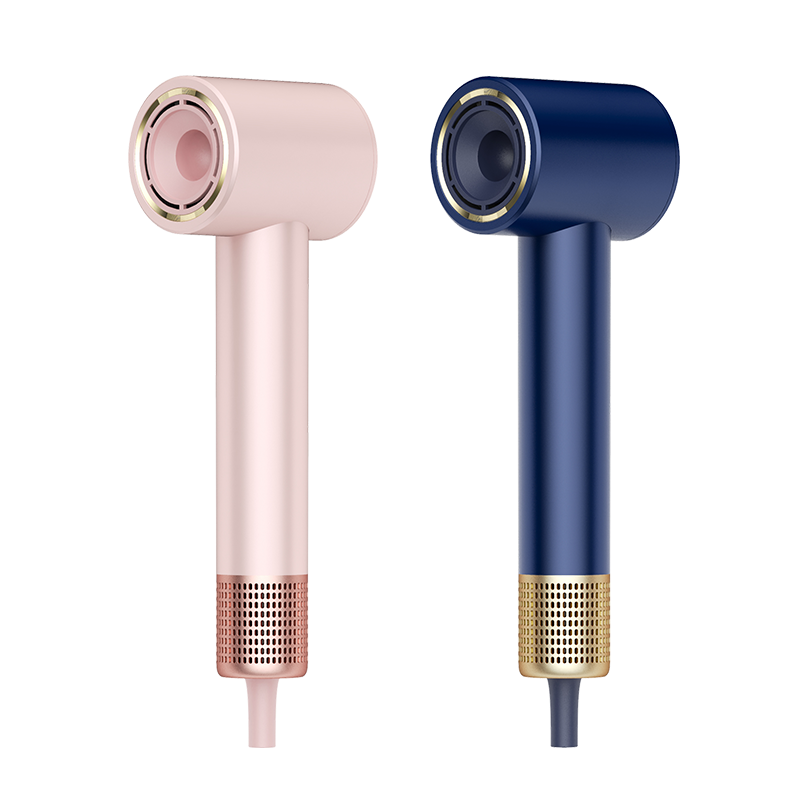
Vaihe 2: Valitse oikeat lämpö- ja nopeusasetukset
Useimmat hiustenkuivaajat tarjoavat useita lämpöasetuksia (yleensä alhainen, keskikokoinen ja korkea) ja useita ilmavirran nopeusasetuksia, ja sopivan yhdistelmän valitseminen hiustyypille ja kuivausvaiheeseen, jossa olet, vaikuttaa merkittävästi sekä kuivausprosessin nopeuteen että turvallisuuteen.
| Hiustyyppi | Suositeltu lämpöasetus | Suositeltu nopeusasetus | Huomautuksia |
|---|---|---|---|
| Ohuet tai ohuet hiukset | Matalasta keskikokoiseen | Korkea | Korkea airflow compensates for reduced heat, dries fast without overheating delicate strands |
| Keskikokoiset tai normaalit hiukset | Keskikokoinen | Keskikokoinen to high | Tasapainoinen asetus, joka sopii useimpiin päivittäiseen kuivaukseen |
| Paksut tai karkeat hiukset | Keskikokoinen to high | Korkea | Korkeaer heat needed to penetrate hair density, monitor scalp comfort closely |
| Kiharat tai teksturoidut hiukset | Matalasta keskikokoiseen | Matalasta keskikokoiseen | Pienempi nopeus vähentää pörröisyyttä ja kiharakuvion häiriöitä; harkitse diffuusorin kiinnitystä |
| Värikäsitellyt tai kemiallisesti käsitellyt hiukset | Matalasta keskikokoiseen | Keskikokoinen | Alhaisempi lämpö vähentää entisestään proteiinin ja värin hajoamista jo käsitellyissä hiuksissa |
Miksi matalampi lämpö pidempään on parempi kuin korkea lämpö lyhyempään
Yleinen väärinkäsitys on, että korkeampi lämpö kuivaa hiukset nopeammin vastaavalla vauriolla, vaikka itse asiassa vauriot kerääntyvät epälineaarisesti lämpötilan mukana. Hiusproteiinin (keratiinin) rakenne alkaa osoittaa mitattavissa olevia lämpövaurioita jatkuvassa altistuksessa yli noin 150 astetta C , jolloin vaurion nopeus kiihtyy jyrkästi tämän kynnyksen yli sen sijaan, että se kasvaisi yksinkertaisesti suhteessa lämpötilaan. Keskilämpöasetus yhdistettynä voimakkaaseen, hyvin suunnattuun ilmavirtaukseen ja jatkuvaan kuivaimen liikkeeseen kuivaa hiukset lähes yhtä nopeasti kuin korkea lämpöasetus ja pitää hiusvarren lämpötilan merkittävästi turvallisemmalla alueella.
Vaihe 3: Käytä oikeaa kuivaustekniikkaa ja käsien liikettä
Fyysinen tekniikka siirtää kuivausrumpua ja ohjata ilmavirtaa on suurin yksittäinen tekijä, joka erottaa sileän, kiillotetun föönauksen pörröisestä, epätasaisesta - enemmän kuin mikään tietty tuote tai laite.
Säilytä oikea etäisyys hiuksista
Pidä kiinni kuivausrummun suuttimesta 15-20 cm (approximately 6 to 8 inches) poissa hiuksista ja päänahasta koko ajan. Pienemmät etäisyydet keskittävät lämmön voimakkaasti pienelle alueelle, mikä lisää sekä päänahan epämukavuuden että paikallisten hiusvaurioiden riskiä; pidemmät etäisyydet vähentävät kuivaustehoa tuottamatta lisäetua. Jos kuivausrumpu kuumenee liian kuumaksi pysyäkseen mukavasti lähellä päänahkaa tällä etäisyydellä, tämä on signaali vähentää lämpöasetusta eikä lisätä etäisyyttä edelleen.
Suuntaa ilmavirta alaspäin hiusvartta pitkin
Suuntaa ilmavirta niin, että se kulkee samaan suuntaan kuin hiusten kynsinauho – juurista latvoja kohti, ei jyviä vasten. Hiusten kynsinauho koostuu päällekkäisistä suomumaisista soluista, jotka osoittavat luonnollisesti juuresta kärkeä kohti; Ilmavirran ohjaaminen samaan suuntaan tasoittaa kynsinauhojen suomuja, mikä tuottaa kiiltoa ja vähentää pörröisyyttä. Tätä luonnollista suuntaa vastaan suunnattu ilmavirta kohottaa kynsinauhojen suomuja, karhentaa hiusten pintaa ja lisää merkittävästi pörröisyyttä ja tylsyyttä.
Pidä kuivausrumpu jatkuvasti liikkeessä
Älä koskaan pidä kuivausrumpua paikallaan yhden hiuskohdan päällä muutaman sekunnin kauempaa. Jatkuva liike – edestakaisin pyyhkäiseminen jokaisen osan poikki – jakaa lämmön tasaisesti ja estää keskittyneen, pitkittyneen lämpöaltistuksen, joka aiheuttaa lämpövaurioita. Tämä on yksi kampauskouluttajien useimmin siteeratuista vinkeistä, koska se ei vaadi lisälaitteita tai -tuotetta, vain tekniikan muutosta.
Työskentele osioittain, juuresta kärkeen
Vapauta yksi hiusosuus kerrallaan sen pidikkeestä, kuivaa ne kokonaan tyvestä latvaan ennen kuin siirryt seuraavaan osaan ja käsittele kaikki osiot systemaattisesti sen sijaan, että kuivaisit koko päätä samanaikaisesti vähemmän kontrolloidusti. Tämä varmistaa, että juuret - jotka pidättävät eniten vettä ja joilla on suurin vaikutus kokonaistilavuuteen ja tyylin kestävyyteen - saavat riittävän kuivumisajan, eikä niitä jätetä huomiotta helpommin saavutettavien keskipituuksien ja päiden hyväksi.
Vaihe 4: Muotoile siveltimiä ja lisälaitteita kuivauksen aikana
Suurin osa muotoilumuodoista syntyy itse kuivausprosessin aikana, ei sen jälkeen – harjan jännityksen, ilmavirran suunnan ja lämmön yhdistelmä hiusten ollessa kostea määrittää lopullisen muodon, kun hiukset jäähtyvät ja kuivuvat kokonaan.
Pyöreät siveltimet volyymin ja sileyden takaamiseksi
Pyöreä harja, joka on mitoitettu halutun kiharan tai aallon säteen mukaan, kääritään kevyesti jännitettyyn hiusosaan, kun kuivaimen ilmavirta seuraa välittömästi harjan takana hiusvartta pitkin. Halkaisijaltaan pienemmät harjat (noin 20-25 mm ) luo tiukemmat kiharat ja lisää volyymia juureen; halkaisijaltaan suuremmat harjat (35 mm ja enemmän) luovat löysempiä aaltoja ja tasaisempia tuloksia, jotka sopivat pitkille hiuksille.
Melaharjat suoriin, tasaisiin tuloksiin
Suorissa tyyleissä litteää melaharjaa käytetään kiristämään jokainen osa, kun kuivausrumpu seuraa suoraan sen takana, tasoittaa kynsinauhoja ja poistaa luonnollisen aallon tai kiharan, kun hiukset kuivuvat jännityksen alaisena. Tämä tekniikka hyötyy tiivistimen suuttimen kiinnityksestä, joka kaventaa ja fokusoi ilmavirran tarkaksi virtaukseksi, joka seuraa harjaa tarkasti osan pituudella.
Diffuusorikiinnikkeet kiharille ja aaltoileville hiuksille
Diffuusoriliitin hajottaa ilmavirran laajemmalle alueelle sen sijaan, että se keskittäisi sen kapeaksi virtaukseksi, mikä vähentää luonnollisen käpristymän tai aaltokuvion häiriöitä, joita suora, keskittynyt ilmavirta yleensä aiheuttaa. Kiharat hiukset, jotka on kuivattu diffuusorilla käyttämällä "scrunch and hold" -tekniikkaa – hiusosien kiinnittäminen diffuusorimaljaan ja useita sekunteja ennen siirtymistä seuraavaan osaan – säilyttävät tyypillisesti selkeämmän kiharakuvion ja vähemmän pörröisyyttä kuin samat hiukset, jotka on kuivattu tavallisella konsentraattorisuuttimella.
Vaihe 5: Viimeistele Cool Shotilla asettaaksesi tyyli
Kunnollisen föönauksen viimeinen vaihe ohitetaan usein, mutta sillä on mitattavissa oleva vaikutus siihen, kuinka kauan tyyli pysyy ja kuinka sileältä hiusten pinta näyttää.
Useimmat laadukkaat hiustenkuivaajat, mukaan lukien Hiustenkuivaaja mallit, jotka on suunniteltu säännölliseen muotoilukäyttöön, sisältävät erillisen cool shot -painikkeen. Kun jokainen osa on täysin kuivunut ja muotoiltu harjalla, pidä kylmää ilmavirtaa kyseisessä osassa 3-5 sekuntia ennen sen vapauttamista. Viileä ilma saa hiusten kynsinauhojen supistumaan ja tasoittumaan uudessa asennossaan, samalla tavalla kuin kuuma muotoilutyökalu asettaa kiharan jäähtyessään. Tämän vaiheen ohittaminen ja siirtyminen suoraan kuumasta ilmasta osan vapauttamiseen johtaa tyyliin, joka rentoutuu ja menettää muotonsa nopeammin, usein vain muutamassa tunnissa, verrattuna oikein viileään asetettuun tyyliin, joka säilyttää muotonsa koko päivän.
Yleisiä virheitä, jotka heikentävät föönauksen laatua ja hiusten terveyttä
Jopa laadukkaalla hiustenkuivaajalla tietyt tavat heikentävät jatkuvasti sekä muotoilutulosta että hiusten pitkäaikaista kuntoa. Seuraavien virheiden välttäminen parantaa tuloksia ilman lisäaikaa tai tuotetta.
- Liian märkien hiusten kuivaus: Föönausprosessin aloittaminen tippuvista märistä hiuksista pyyhekuivattujen hiusten sijaan pidentää kuivumisaikaa huomattavasti ja lisää työn viimeistelyyn tarvittavaa kokonaislämpöaltistusta.
- Lämpösuojan ohittaminen: Jopa satunnainen föönaus ilman suojaavaa tuotetta nopeuttaa kumulatiivisia lämpövaurioita hiusten kynsinauhoissa ja lisää kosteuden menetystä hiusvarresta.
- Maksimilämmön käyttö nopeudelle: Korkeimman lämpöasetuksen oletusasetus nopeamman viimeistelyn saavuttamiseksi lisää päänahan epämukavuuden ja hiusten vaurioitumisen riskiä ilman, että kokonaiskuivumisaika pienenee suhteellisesti, varsinkin kun ilmavirtausnopeus on myös suuri.
- Kuivausrummun pitäminen liian lähellä tai liian paikallaan: Väkevä, paikallaan oleva lämpö pienellä hius- tai päänahan alueella on yksi yleisimmistä paikallisten lämpövaurioiden ja epämiellyttävän kuivauskokemuksen syistä.
- Kuivaus kynsinauhojen suuntaa vasten: Satunnainen tai ylöspäin suuntautuva ilmavirran suunta karhentaa hiusten kynsinauhoja lisäämällä pörröisyyttä ja vähentäen kiiltoa riippumatta siitä, kuinka hyvin hiukset on valmistettu etukäteen.
- Ei leikkaa hiuksia: Koko pään kuivaaminen kerralla, erityisesti paksuilla tai pitkillä hiuksilla, johtaa epätasaiseen kuivumiseen, jolloin ulompi kerros kuivuu, kun taas sisäkerrokset pysyvät kosteina, mikä heikentää sekä volyymia että tyylin kestävyyttä.
- Jäähyn väliin jääminen: Kuivauksen viimeistely ilman viileää ilmasarjaa vähentää sitä, kuinka kauan tyyli säilyttää muotonsa koko päivän.
Kuinka hiustenkuivaajan ominaisuudet vaikuttavat kuivumisen laatuun ja nopeuteen
Vaikka tekniikka on tärkein tekijä hyvän tuloksen saavuttamisessa, itse hiustenkuivaajan tekniset tiedot vaikuttavat merkittävästi sekä kuivausnopeuteen että muotoilun aikana käytettävissä olevaan hallintaan.
Moottorin tyyppi ja ilmavirran lähtö
Hiustenkuivaajat, joissa on nopeita digitaalisia moottoreita, jotka toimivat yleensä 100 000 RPM tai enemmän verrattuna 20 000 - 30 000 rpm:iin tavallisissa AC-moottorikuivainten - tuottavat huomattavasti suuremman ilmavirran tilavuuden ja nopeuden, mikä lyhentää kuivausaikaa, koska se luottaa enemmän mekaaniseen voimaan veden poistamiseen kuin jatkuvaan lämpöaltistukseen. Tämä siirtyminen nopeampaan ilmavirtaan kohtuullisessa lämpötilassa on yksi merkittävimmistä edistysaskeleista hiustenkuivaajatekniikassa viimeisen vuosikymmenen aikana, koska se puuttuu suoraan lämpövaurioiden kompromissiin, joka on ominaista vanhemmille, alhaisemman ilmavirtauksen malleille, jotka kompensoivat heikon ilmavirran korkeammalla lämmöllä.
Ioni- ja keraaminen tekniikka
Monet nykyaikaiset hiustenkuivaajat sisältävät ionigeneraattoreita, jotka vapauttavat negatiivisia ioneja ilmavirtaan. Nämä ionit on suunniteltu hajottamaan hiusten pinnalla olevat vesipisarat pienemmiksi hiukkasiksi, jotka haihtuvat nopeammin, samalla kun ne neutraloivat kuiviin hiuksiin kertyvän staattisen positiivisen varauksen, joka edistää pörröisyyttä. Keraamiset tai turmaliinilämpöelementit jakavat lämpöä tasaisemmin ilmavirtauksen poikki kuin paljaat metalliset patterielementit, mikä vähentää paikallisia kuumia kohtia, joita voi esiintyä yksinkertaisemmissa lämmitysratkaisuissa.
Lämpötilan säätelyn tarkkuus
Kuivaimet, joissa on useita erillisiä, hyvin kalibroituja lämpöasetuksia – yhden yleisen korkean lämmöntuoton sijaan – antavat käyttäjälle huomattavasti enemmän hallintaa hiustyypeille ja -kuntolleen sopivaa lämpöaltistusta. Joissakin edistyneissä kuluttaja- ja ammattihiustenkuivauksissa on nyt elektroninen lämpötilan tunnistus ja säätö, joka ylläpitää tasaisen tavoitelämpötilan koko käytön ajan sen sijaan, että lämpötila ajelehtisi ylöspäin, kun sisäiset komponentit kuumenevat pitkän käytön aikana, mikä on tunnettu ominaisuus yksinkertaisemmille resistiivisille lämmitysmalleille ilman aktiivista lämpötilan palautetta.
Kuivumisajan opastus hiusten pituuden ja paksuuden mukaan
Kuivumisaika vaihtelee huomattavasti hiusten pituuden, paksuuden sekä käytettävän kuivausrummun ilmavirran ja lämpötehon mukaan. Seuraava taulukko antaa yleisiä ohjeita muotoilurutiinisi suunnitteluun, joka perustuu oikein suoritettuun tekniikkaan, jossa on riittävä pyyhekuivaus etukäteen.
| Hiusten pituus | Hieno tai keskipaksu | Paksut tai tiheät hiukset |
|---|---|---|
| Lyhyt (olkapään yläpuolella) | 3-6 minuuttia | 6-10 minuuttia |
| Keskikokoinen (shoulder to mid-back) | 8-12 minuuttia | 12-18 minuuttia |
| Pitkä (selän puolivälin ohi) | 12-18 minuuttia | 18-25 minuuttia tai enemmän |
Suuremman ilmavirran kuivaaja voi lyhentää näitä aikoja arviolta 20-40 % verrattuna tavalliseen pienemmän tehon kuivaajaan, jota käytetään samalla tekniikalla, mikä johtuu ensisijaisesti nopeammasta mekaanisesta vedenpoistosta pikemminkin kuin lisääntyneestä lämpöaltistuksesta – mikä vahvistaa, miksi ilmavirran määrä, ei vain lämmönsäätö, on keskeinen näkökohta valittaessa hiustenkuivaajaa säännölliseen käyttöön.
Usein kysyttyjä kysymyksiä hiusten kuivaamisesta hiustenkuivaajalla
Onko haitallista föönata hiuksia joka päivä?
Päivittäinen föönaus ei ole luonnostaan vahingollista, jos se tehdään oikein - käyttämällä lämpösuojaa, kohtuullisia lämpöasetuksia, riittävää ilmavirtaa ja oikeaa tekniikkaa joka kerta. Kumulatiivinen riski johtuu ensisijaisesti korkeista lämpöasetuksista, riittämättömästä etäisyydestä hiuksista ja suojatuotteiden väliin jättämisestä, ei pelkästä taajuudesta. Päivittäin föönaavien ihmisten tulee kiinnittää erityistä huomiota lämpösuojainten käyttöön ja säännöllisiin syvähoitohoitoihin kompensoidakseen säännöllisen lämpöaltistuksen aiheuttaman kosteushäviön.
Kuivaa hiuksesi kokonaan tai jätä ne hieman kosteiksi
Useimmissa muotoilutarkoituksissa hiukset tulee kuivata vähintään 90-95 % täysin kuiviin, sillä muotoilun jälkeen hiuksiin jäänyt jäännöskosteus voi aiheuttaa tyylin putoamisen, pörröisyyden tai palautumisen, koska jäljellä oleva kosteus haihtuu luonnollisesti seuraavan tunnin aikana. Poikkeuksena on kiharat hiukset diffuusoritekniikka, jossa jotkut harjoittajat haluavat kuivata viimeiset 10–20 % ilmalla vähentääkseen yleistä lämpöaltistusta, kun kiharakuvio on asetettu kuivausvaiheen aikana.
Miksi hiukseni näyttävät edelleen pörröisiltä föönauksen jälkeen, vaikka noudatin ohjeita?
Jatkuva pörröisyys teknisesti oikeanlaisen föönauksen jälkeen johtuu yleisimmin siitä, että ilmavirran suunta ei seuraa kynsinauhoa johdonmukaisesti tyvestä latvaan, riittämättömästä lämpösuoja- tai tasoittavan tuotteen levityksestä ennen kuivausta tai ympäristön kosteuden imeytymisestä takaisin hiuksiin kuivumisen jälkeen. Korkean kosteuden ympäristöissä kevyen kosteudenpoistoseerumi, jota käytetään viimeisenä vaiheena viileän laukauksen jälkeen, voi auttaa säilyttämään sileyden pidempään föönauksen jälkeen.
Kuinka lähellä hiustenkuivaajan tiivistimen suuttimen tulee olla harjaa muotoilun aikana
Konsentraattorin suutin tulee sijoittaa suunnilleen 5-8 cm harjasta ja seuraa suoraan sen takana muotoiltavaa hiusosaa, riittävän lähelle ohjatakseen keskittyneen ilmavirran tarkasti harjalla olevaan jännittyneeseen osaan, mutta ei niin lähelle, että se luo keskittyneen kuuman pisteen yhteen hiusten tai päänahan pisteeseen.
 Previous
 +86-574-63982198
 +86-574-63982197
 No. 933, Lingxu 2nd Road, Binhai Economic Development Zone, Cixi, Zhejiang, Kiina.